Florida no state income tax is not a loophole or a temporary benefit. It is written directly into Article VII, Section 5 of the Florida Constitution, and it has been protected since 1924. For anyone thinking about buying a home in Florida — whether in Naples, Miami, Orlando, or Cape Coral — this is one of the biggest financial advantages the Sunshine State offers. But if there is no income tax, how does Florida fund its roads, schools, and public services? Florida no state income tax is one of the strongest financial incentives drawing buyers from across the country to the Sunshine State.
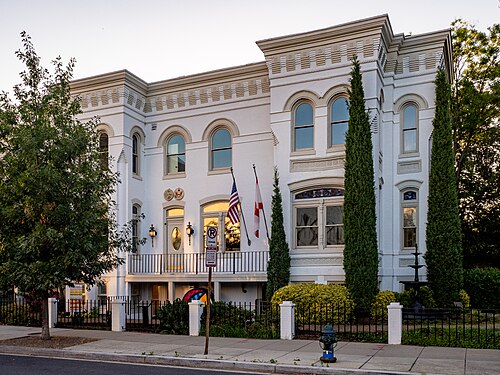
Florida state capitol building Tallahassee
The 1924 decision that started it all.
Florida’s no-income-tax rule is not new. The state legislature passed, and voters ratified, a constitutional amendment in 1924 banning personal income and inheritance taxes. The bet was simple: if Florida promised never to tax wages, the wealthy would move down, bring their capital, and grow the state from a swampy backwater into an economic powerhouse.
It worked. The 1968 constitutional rewrite kept the ban in place. And in 2018, voters added another lock on the door: any new state tax or fee now requires a two-thirds supermajority vote in both chambers of the Florida Legislature. That means Florida no state income tax is not just a policy — it is a constitutional guarantee that is extremely difficult to reverse.
Today, Florida is one of only nine U.S. states with no personal income tax, and it has the strongest constitutional protection of that policy of any of them.
If Florida has no state income tax, who pays for public services?
Florida has no state income tax because the constitution prohibits it. Instead, the state relies heavily on sales taxes and tourism revenue. Roughly 16 cents of every tax dollar comes from visitors alone. Because of the Florida no state income tax policy, the state sales tax does more of the heavy lifting than in most other states. Roughly 143 million visitors per year contribute significantly to that tax base — meaning tourists quietly help pay for roads, parks, and infrastructure that residents use every day.
Florida’s revenue comes from consumption, not income. Three big buckets do most of the work:
1. Sales tax (the big one)
Florida charges a 6% state sales tax on most goods and many services. Counties can add up to 1.5% on top, so the actual rate at the register is usually 6.5% to 7.5% depending on where you are. Sales and use tax brings in roughly three-quarters of the state’s general revenue. This is the direct result of Florida no state income tax — the state had to build its budget around spending, not earning.
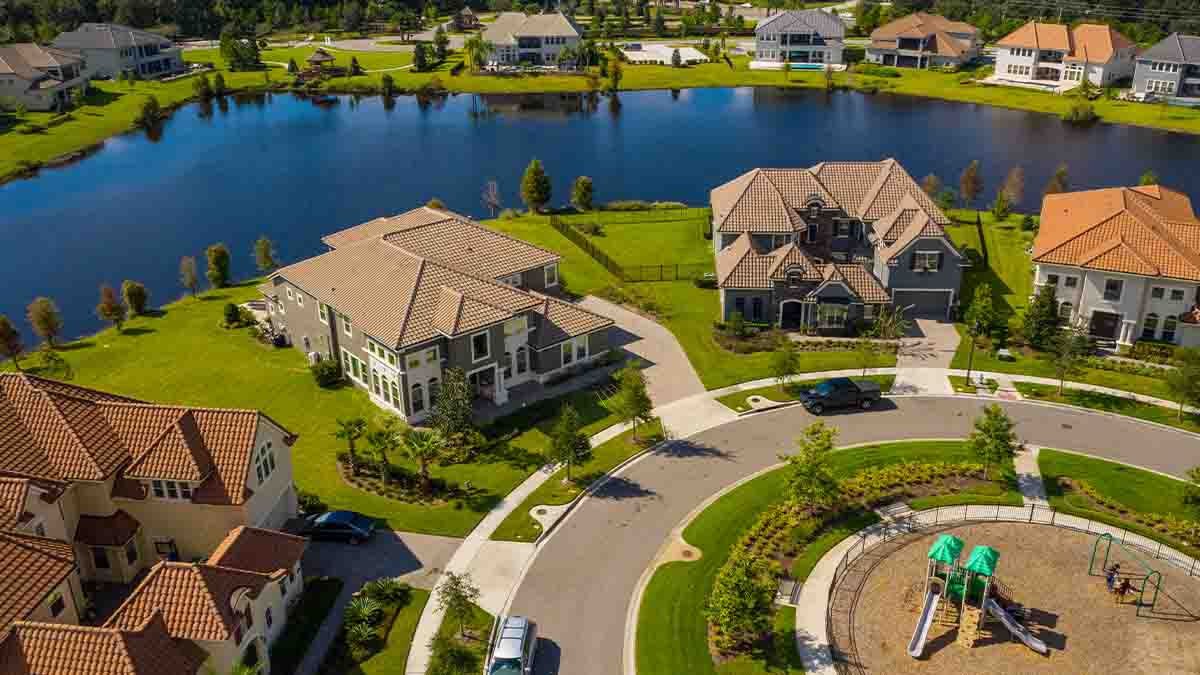
2. Tourist Development Tax (the “bed tax”)
Every county in Florida is allowed to levy an extra 3% to 6% tax on any short-term rental — hotels, motels, Airbnbs, vacation condos, anything rented for six months or less. Add in state sales tax and other surcharges, and a hotel stay in places like Miami Beach, Orlando, or Key West can carry a combined tax rate of 12% to 13%.
By state law, that money must be spent on tourism marketing, beach renourishment, convention centers, and visitor infrastructure — the very things that bring more tourists in the following year. It is a self-reinforcing loop that directly benefits residents.
3. Property tax, corporate tax, and the rest.
Property taxes are collected at the county level and fund local schools and services. Corporations pay a flat 5.5% income tax, but the first $50,000 of profit is exempt — so most small Florida businesses owe nothing. Add documentary stamp taxes on real estate transfers, fuel taxes, communications services tax, and insurance premium taxes, and you have a system that quietly collects from a thousand small streams instead of one big river.
Florida no state income tax means property tax carries more weight at the local level. Florida’s average effective property tax rate is 0.80% — below the national average of 0.99%. Combined with the homestead exemption, most Florida homeowners pay far less than residents in states that collect both income tax and property tax. For homeowners, Florida no state income tax combined with the homestead exemption creates real, measurable monthly savings.
The numbers from 2024 are wild.
Florida’s tourism economy is not just big — it is the engine that makes the whole tax structure work. Per VISIT FLORIDA’s 2024 Economic Impact of Tourism Study:
- 143 million visitors came to Florida in 2024 — an all-time record.
- $134.9 billion spent by out-of-state visitors.
- $133.6 billion in total economic impact — about 7.8% of Florida’s entire GDP.
- $33.6 billion generated in federal, state, and local taxes from tourism.
- 1.8 million jobs supported, with $79.9 billion in wages.
- 99 cents of every visitor dollar stayed inside Florida’s economy.
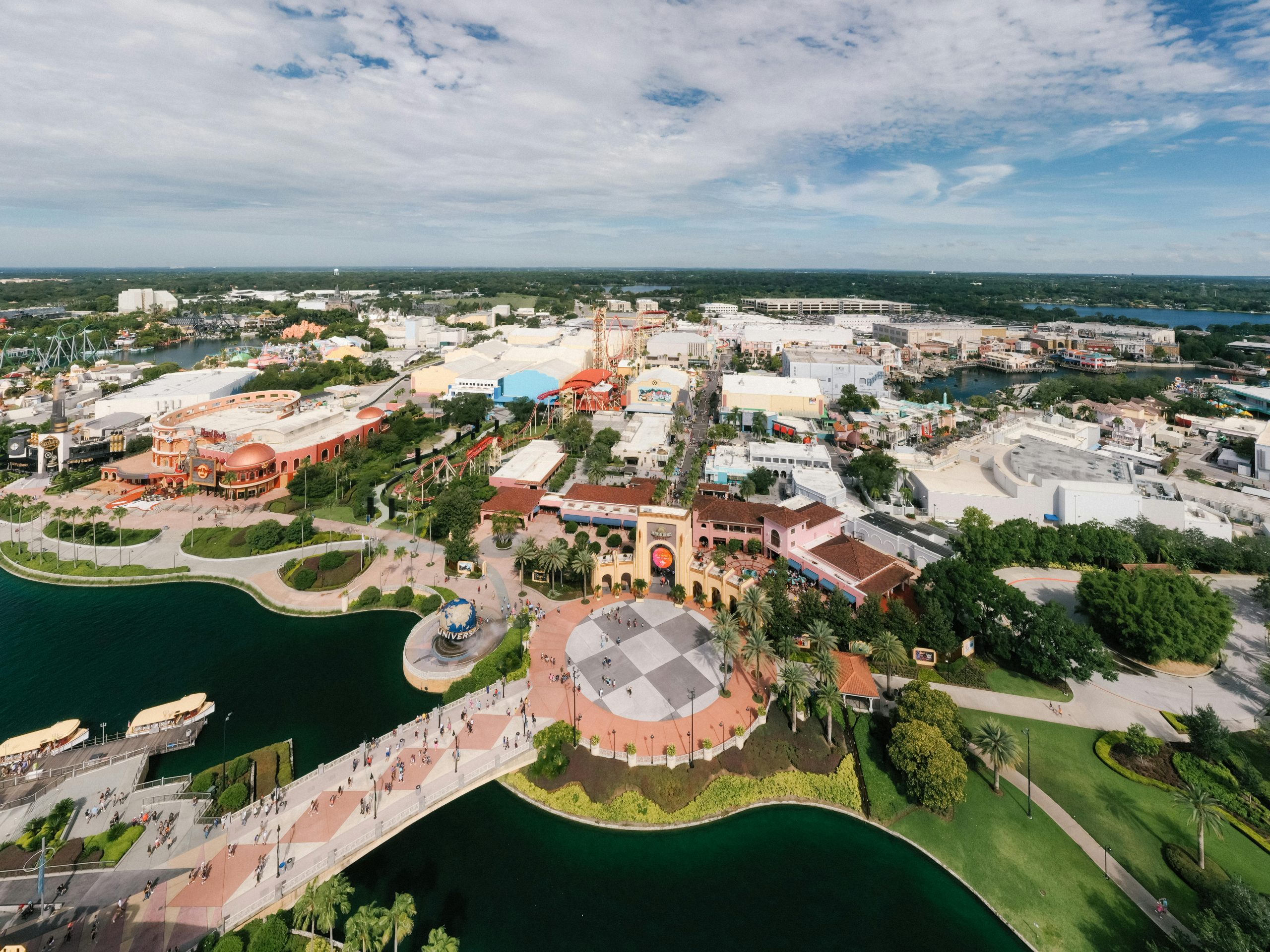 In a news article written by Janelle Irwin Taylor, VISIT FLORIDA, estimates the average Florida household would pay an extra $1,730 per year in state and local taxes if tourism revenue suddenly disappeared. That is how much visitors are quietly subsidizing life in Florida for permanent residents.
The catch nobody mentions.
Florida’s tax model is regressive. Sales tax does not care how much you earn. A single mother in Hialeah buying diapers pays the same 7% as a hedge fund manager in Palm Beach buying a luxury watch. But that 7% is a much bigger share of the mom’s paycheck than it is of his.
According to the Institute on Taxation and Economic Policy, Florida has one of the most upside-down tax codes in the country. Families earning under about $86,000 — roughly 80% of Florida taxpayers — receive 34% of all income but pay 53% of all state and local taxes. The wealthiest residents pay a smaller share of their income in taxes than working-class families do.
So when people say Florida taxes the tourists and not the residents, it is true at the macro level. But at the household level, low and middle-income Floridians are still carrying more of the load than the headline suggests.
Why it (mostly) works anyway.
The model still produces a state with budget surpluses, low unemployment, no state debt crisis, and population growth that consistently leads the nation. People are voting with their moving trucks. Whether the trade-off is fair is a political question, not a factual one.
The cleanest summary: Florida does not tax what you earn. It taxes what you spend, what you own, and what visitors do while they are here. For a state where 143 million people show up every year to spend money on hotels, theme parks, beach rentals, and restaurants — that turns out to be a sustainable model.
What does this mean if you’re buying a home in Florida?
Florida no state income tax is one of the top reasons buyers from across the country are choosing to relocate here every year. Florida’s tax structure is one of the strongest financial reasons to buy now. No state income tax means more of your paycheck stays with you every month. Add a low property tax rate and the homestead exemption, and owning a home in Florida becomes far more affordable than most people expect.
Florida no state income tax is one of the top reasons buyers from across the country are choosing to relocate here. Whether you are looking in Naples, Miami, Orlando, or Cape Coral, our team at U.S. Prime Realty has been helping Florida buyers find the right home since 2008. Browse homes for sale in Florida and we will help you get started.
FAQ section
- Does Florida have a state income tax? No. Florida’s constitution has prohibited a personal income tax since 1924. Residents pay $0 in state income tax.
- What taxes do Florida homeowners pay? Homeowners pay property tax at an average effective rate of 0.80%, plus a 6% state sales tax on purchases.
- Is buying a home in Florida more affordable because of no income tax? Yes. No state income tax combined with Florida’s homestead exemption of up to $51,411 makes Florida one of the most tax-friendly states for homeowners in the country.
- Do retirees pay taxes in Florida? Florida does not tax Social Security benefits, pension income, or investment income. This makes it one of the top retirement destinations in the country.
 Need Help with Florida Real Estate?
 Need Help with Florida Real Estate?
U.S. Prime Realty | Since 2008
📞 +1 (239) 513 0011
📩 cc@usprimerealty.com
🌐 www.usprimerealty.com
About The Author

Isbely Glazer - Founder and Broker of U.S. Prime Realty
Isbely brings over 20 years of experience across Florida’s key markets. She leads with a client-first approach, combining deep market insight with a commitment to trust, results, and long-term relationships.
Business Info


Recent Posts
Orlando Florida Luxury Real Estate: 2026 Market Guide
Explore Orlando Florida luxury real estate in 2026: prices, Windermere, Winter Park, Lake Nona, 2026 housing data, lakefront costs and buyer tips.
Pre-Construction Properties in Florida: Discover New Homes for Sale Across the State
Discover pre-construction properties in Florida, from Miami and Sunny Isles condos to Naples, Cape Coral and Orlando new homes. Explore options with U.S. Prime Realty.
New Construction vs. Pre-Construction Homes in Florida: Which Is Right for You?
New construction vs. pre-construction homes in Florida: compare costs, timelines, deposits, builder incentives and risks before you buy.