Buying a Home in Florida:
Your Complete Step-by-Step Guide
From U.S. Prime Realty – Your complete guide to buying homes in Naples, Miami, Fort Myers, and Orlando. Whether you’re relocating to Florida or investing in Southwest Florida real estate, this buyer’s guide walks you through every step – from loan pre-approval to closing. First-time buyer or seasoned investor, this is your roadmap to Florida homeownership.
Ready to Start Your Home Buying Journey?
Choose your next step and let U.S. Prime Realty guide you in buying a home in Florida.
Your 6-Step Path to Homeownership
Step 1: Define Your Goals
Before you start your home search, it’s crucial to define exactly what you’re looking for:
- What kind of property do you need? (single-family, condo, investment)
- Where do you want to live? (Miami, Naples, Fort Myers, etc.)
- What’s your budget, lifestyle, and timeline?
Step 2: Get Pre-Approved
- Talk to a local lender
- Lock in interest rates
- Strengthen your offer with pre-approval documentation
Step 3: Start Your Property Search
- Location
- Budget
- Home type
- Lifestyle (waterfront, retirement, family-friendly)
Step 4: Work With a Local Realtor
- Schedule showings
- Offer pricing strategy insights
- Guide you through offers, inspections, and negotiations
Step 5: Make an Offer & Negotiate
- Craft a competitive offer
- Lock in interest rates
- Strengthen your offer with pre-approval documentation
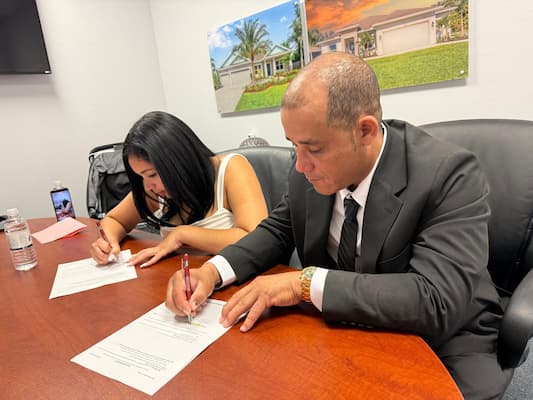
Step 6: Close & Move In
- Title, escrow, and inspections
- Final walk-through
- Closing day logistics
Free Download: Florida Buyer's Guide PDF
Includes worksheets, lender checklists, inspection prep, and more information on buying a home in Florida.
Read Our 5★ Reviews
Frequently Asked Questions
How much down payment do you really need as a first-time buyer in Florida?
The down payment depends on your loan type, credit, income, and the property you choose. Some first-time buyers may qualify with a low down payment, but you should also budget for closing costs, inspections, insurance, and moving expenses.
What first-time homebuyer programs help you afford South Florida homes?
First-time buyer programs may offer down payment assistance, closing cost help, or special loan options for eligible buyers. Availability and requirements vary by city, county, lender, and income level, so it is best to check current programs before starting your search.
How does down payment assistance work in South Florida?
Down payment assistance can help cover part of your upfront costs through grants, deferred loans, or forgivable loans. Most programs have income limits, purchase price limits, occupancy rules, and approval requirements.
How do I qualify for Florida first-time homebuyer grants?
Eligibility usually depends on income, credit, location, purchase price, household size, and whether you will live in the home as your primary residence. Many programs also require a homebuyer education course.
How much should you save before buying a home in South Florida?
You should save for the down payment, closing costs, inspections, insurance, moving costs, and an emergency fund. In South Florida, it is especially important to budget for homeowners insurance, flood insurance if needed, HOA fees, and repairs.
How do you get pre-approved for a mortgage as a first-time buyer?
Pre-approval usually requires sharing income documents, bank statements, credit information, debts, and employment history with a lender. Getting pre-approved early helps you understand your budget and makes your offer stronger.
What’s the difference between getting pre-qualified and pre-approved?
Pre-qualification is usually a basic estimate based on information you provide. Pre-approval is stronger because the lender reviews your finances more closely and gives you a clearer idea of what you may be able to borrow.
What credit score do you need to buy a home in South Florida?
Credit score requirements depend on the loan program and lender. A higher credit score can help you qualify for better rates, but some loan options may still be available for buyers with less-than-perfect credit.
Can you get approved for a mortgage with a lower income in Florida?
Yes, but approval depends on your debt, credit, down payment, loan type, and overall financial profile. Buyers with lower income may need to look at more affordable areas, assistance programs, or lower monthly payment options.
What closing costs should you budget for as a first-time buyer in Florida?
Closing costs may include lender fees, title fees, escrow charges, recording fees, prepaid taxes, insurance, and other transaction expenses. First-time buyers should budget for these costs in addition to the down payment.
What should you know about HOA fees before buying in South Florida?
HOA fees can affect your monthly affordability and may cover amenities, maintenance, security, landscaping, or building insurance. Always review the HOA budget, rules, reserves, rental restrictions, and any possible special assessments before buying.
Is it better to buy a single-family home or condo as a first-time buyer in Florida?
A condo may be easier to maintain and more affordable upfront, but HOA fees and rules can add costs and restrictions. A single-family home may offer more privacy and control, but usually requires more maintenance and higher responsibility.
How does flood insurance affect your budget when buying in South Florida?
Flood insurance can significantly increase your monthly housing cost, especially in flood-prone or coastal areas. Buyers should check the flood zone, elevation, lender requirements, and insurance quotes before making an offer.
What home inspection issues are common in South Florida homes?
Common issues include roof age, HVAC problems, plumbing leaks, electrical concerns, moisture intrusion, termites, drainage problems, and storm-related wear. In South Florida, buyers should pay close attention to insurance-related items like roof condition and hurricane protection.
What are the biggest first-time homebuyer mistakes in Florida?
Common mistakes include skipping pre-approval, underestimating insurance and HOA costs, ignoring flood risk, skipping inspections, and focusing only on the purchase price. A smart first-time buyer looks at the full monthly cost and long-term maintenance before committing.