Florida Hurricane Season: 10 Ways to Protect Your Home
Hurricane preparedness · Florida homeowners
Florida hurricane season can bring strong winds, heavy rain, storm surge, flooding and extended power outages. The Atlantic hurricane season officially runs from June 1 through November 30, but homeowners should not wait for a named storm to begin protecting their property.
The most effective hurricane preparation happens early. A roof inspection, approved window protection, a reinforced garage door, proper insurance coverage and a documented evacuation plan are much easier to handle before a storm is in the forecast. Florida officials also encourage residents to know their evacuation zone and understand their home before deciding whether they could safely shelter in place.
For Florida buyers and current homeowners, hurricane readiness is also part of understanding the true cost and condition of a property. This matters even more with coastal and waterfront homes, where flood exposure and insurance can affect long-term ownership costs. U.S. Prime Realty’s waterfront homes in Florida guide and Florida flood insurance cost guide can help you evaluate those real-estate considerations.
Quick answer: To protect your home during Florida hurricane season, start with your risk: know your evacuation zone, flood exposure and home’s condition. Then strengthen the roof, windows, doors and garage door; clear trees and drainage; reduce water entry; review wind and flood insurance; document your belongings; prepare safe backup power; and create a storm action plan before a hurricane threatens.
What is in this guide
- Watch: how to protect your home this hurricane season
- Why hurricane home protection matters in Florida
- The 10 ways to protect your home
- A simple Florida hurricane home checklist
- After the storm: protect the home and document damage
- Buying a Florida home? Add hurricane readiness to your checklist
- Frequently asked questions
Watch: How to Protect Your Home This Hurricane Season
A short walkthrough of the steps covered below — from checking the roof and protecting openings to reviewing insurance before a storm is in the forecast.
Why Hurricane Home Protection Matters in Florida
Hurricanes are not only a coastal problem. Wind and water impacts can extend well inland, while coastal homes may also face storm surge. The National Weather Service recommends identifying structural weaknesses, protecting openings and strengthening the exterior so wind and debris are less likely to create large openings in the home.
Preparation also protects your finances. Florida’s Department of Financial Services notes that homeowners should review coverage, understand the hurricane deductible and consider mitigation improvements that may qualify for insurance credits. If you are buying a home, those same issues belong on your inspection and budgeting checklist. U.S. Prime Realty’s Florida homebuying guide explains how inspections, insurance and other ownership costs fit into the purchase process.
10 Ways to Protect Your Home During Florida Hurricane Season
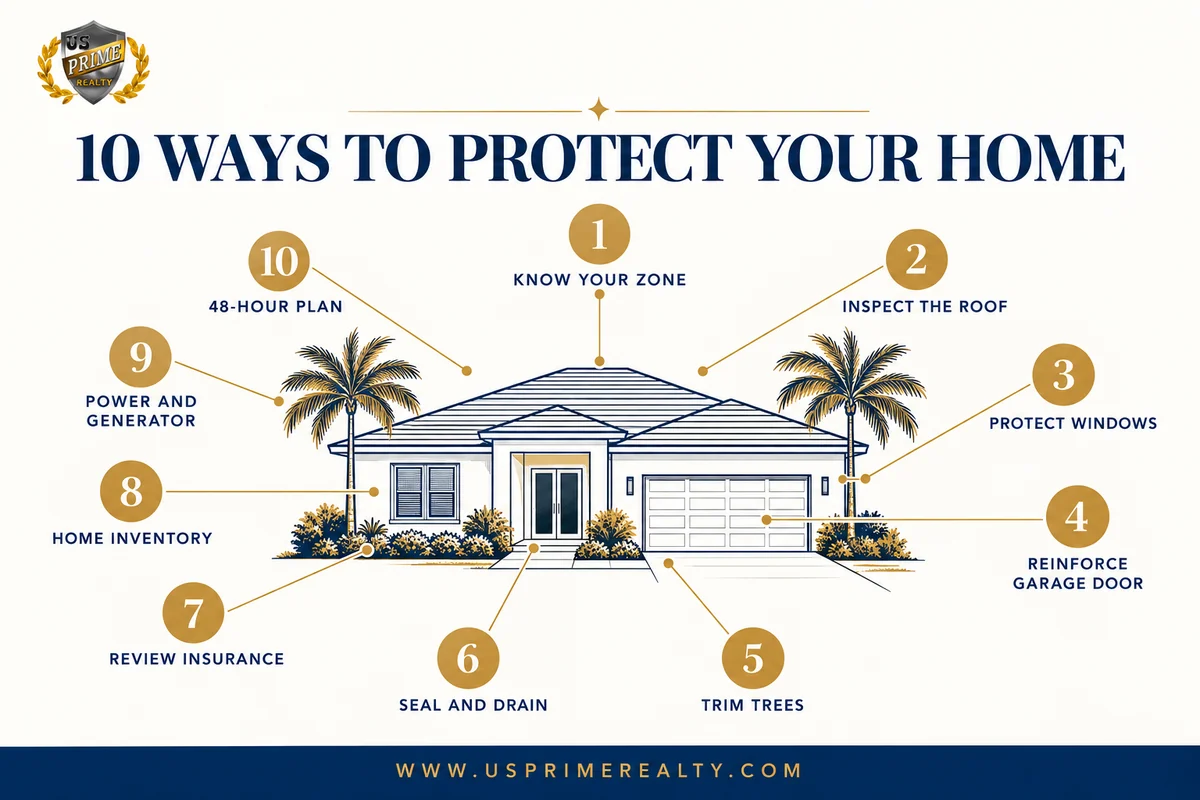
1. Know Your Evacuation Zone, Flood Risk and Home
Before you buy shutters or stock supplies, understand the hazards that apply to your address. Florida’s Know Your Zone, Know Your Home resource lets residents check evacuation-zone information and emphasizes that evacuation decisions should follow local officials.
- Check whether the property is in an evacuation or low-lying flood-prone area.
- Know at least two evacuation routes and where you would go if ordered to leave.
- Identify the safest interior area of the home if local officials do not order evacuation and the structure is appropriate for sheltering.
- If you are buying a home, review flood risk, insurance quotes and property condition before making an offer.
Buyers comparing locations can use U.S. Prime Realty’s Florida communities guide to explore major markets, then review the specific property’s flood and insurance factors separately.
2. Inspect and Strengthen the Roof
The roof is one of the most important parts of a home’s wind resistance. Loose shingles, tiles, damaged flashing, weak roof decking or poor roof-to-wall connections can increase the chance that wind and rain enter the structure.
- Have a qualified professional inspect the roof before hurricane season, especially if it is older or has previous storm damage.
- Repair loose or missing roofing materials and damaged flashing.
- Ask whether roof-to-wall connections, decking and secondary water barriers meet current requirements or can be improved.
- Do not climb onto a roof when a storm is approaching. Complete repairs well in advance.
Florida’s My Safe Florida Home Program publishes wind-mitigation resources and information about inspections and eligible improvements. Funding and eligibility can change, so homeowners should confirm current program terms before relying on assistance.
3. Protect Windows, Sliding Doors and Exterior Doors
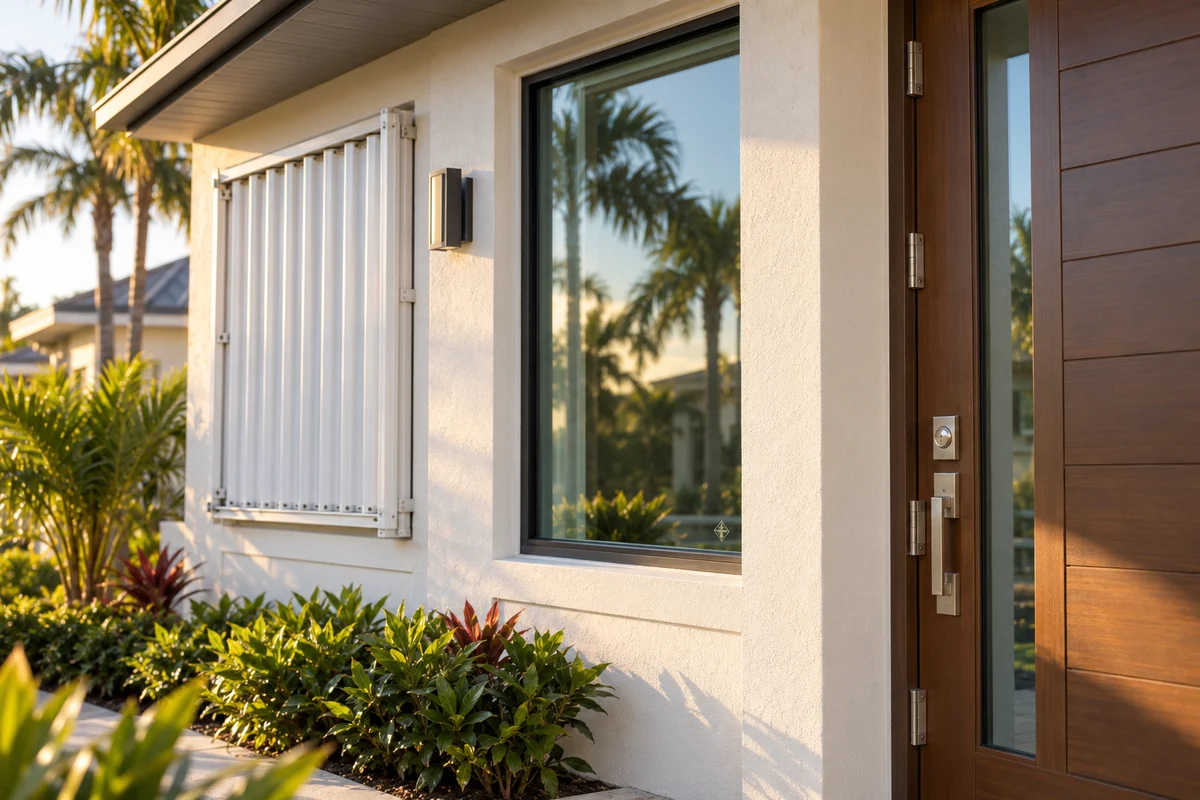
Broken windows and doors can allow wind-driven rain into the home and can increase internal pressure. The National Weather Service recommends having proper panels or shutters available and securing exterior openings before a storm.
- Use tested hurricane shutters, impact-rated protection or properly fitted panels appropriate for your home.
- Inspect existing shutters every year and make sure hardware is labeled, complete and easy to access.
- Check exterior doors, sliding doors and frames for loose hardware, damaged seals or weak locking points.
- Do not depend on tape as structural protection for windows.
For official home-hardening guidance, review the National Weather Service’s Strengthen Your Home hurricane-preparedness page.
4. Reinforce the Garage Door
Garage doors are a major opening in many Florida homes. The National Weather Service specifically identifies the garage door as a vulnerable part of the structure, which is why it should be able to withstand high winds.
- Check the door, tracks, rollers, hinges and mounting points for wear or damage.
- Use a manufacturer-approved bracing system if your door requires one.
- If replacing the door, ask a licensed contractor about products that meet applicable local wind-load requirements.
- Keep the garage clear enough to bring vehicles and loose outdoor items inside before a storm.
5. Trim Trees, Clear Gutters and Secure Outdoor Items
Many hurricane losses begin outside the house. Weak branches, patio furniture, grills, planters, umbrellas and other loose objects can become dangerous debris in high winds. Clogged gutters and drains can also make heavy rainfall harder to move away from the structure.
- Trim dead, weak or overhanging branches well before a storm.
- Clear gutters, downspouts, roof drains and yard drainage paths.
- Repair or secure fences, sheds and other exterior structures.
- Bring patio furniture, grills, trash cans, decorations and loose tools inside when a storm threatens.
- Avoid leaving rock or gravel landscaping materials loose near large windows or glass doors if they could become windborne debris.
6. Reduce Water Intrusion and Protect Utilities
Hurricane damage is often a combination of wind and water. Once rain enters through an opening, damage can spread quickly to drywall, insulation, flooring, electrical components and personal property.
- Seal obvious exterior gaps and maintain weatherstripping around doors and windows.
- Make sure soffits, vents and exterior penetrations are secure and in good condition.
- Direct downspouts away from the foundation where practical and keep drainage routes clear.
- Know how to shut off water, electricity and gas if local officials or your utility provider instruct you to do so.
- If the home has flood exposure, ask qualified professionals about elevating vulnerable equipment or other flood-mitigation options.
For Florida waterfront-property planning, compare risk and ownership costs in U.S. Prime Realty’s waterfront homes in Florida guide.
7. Review Homeowners, Windstorm and Flood Insurance Early
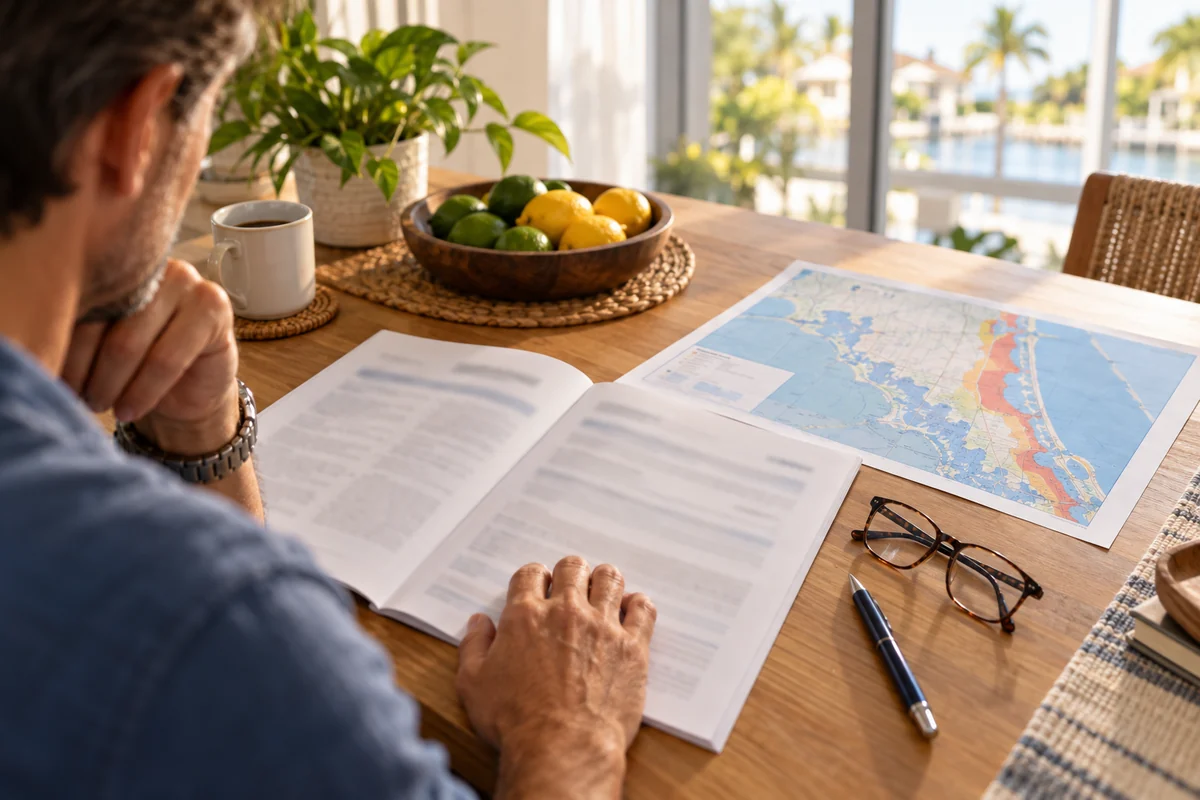
Insurance should be reviewed before a storm is approaching. Florida’s Department of Financial Services recommends checking what your policy covers, understanding your hurricane deductible and confirming whether you need separate windstorm or flood coverage.
- Read the declarations page and know the hurricane deductible amount.
- Confirm dwelling, personal-property and additional-living-expense limits.
- Ask your insurer or agent whether windstorm coverage is included or separate.
- Remember that standard homeowners insurance generally does not cover flooding.
- Keep your insurer’s claim number and policy information in both digital and waterproof physical copies.
The National Flood Insurance Program states that a new flood policy generally has a 30-day waiting period before coverage begins, although specific exceptions apply. Do not wait until a storm is close to begin asking about flood insurance. For local real-estate context, read U.S. Prime Realty’s Florida flood insurance cost guide.
8. Create a Home Inventory and Protect Important Documents
A home inventory can make the insurance-claim process easier after a loss. Florida’s insurance consumer resources recommend documenting household items with photos, videos, receipts, purchase dates and serial numbers when available.
- Walk through every room and record a current video of major belongings.
- Photograph high-value items, appliances, electronics and important home improvements.
- Store policy documents, identification, property records and contractor information in a waterproof container.
- Keep password-protected digital copies in a secure cloud location or other off-site backup.
- Update the inventory after major purchases or renovations.
9. Prepare for Power Outages and Use Generators Safely
Power outages can last after the wind and rain have moved away. Prepare flashlights, batteries, charging banks, medication needs and refrigeration plans before the storm. If you use a portable generator, carbon-monoxide safety is critical.
- Test the generator before hurricane season and follow the manufacturer’s instructions.
- Operate portable generators outdoors, away from doors, windows and vents. Never operate one in a garage, basement or other enclosed space.
- Keep generators dry and use properly rated outdoor extension cords.
- Use working carbon-monoxide alarms in the home.
- Never connect a portable generator directly to home wiring unless a properly installed transfer or interlock system is in place and the installation complies with applicable requirements.
Review Florida’s official Generator Safety guidance before using backup power.
10. Build a 48-Hour Storm Action Plan
Long-term home hardening should be completed before hurricane season, but you also need a short checklist for the final hours before a storm. Write the plan down so each person in the household knows what to do.
- Install shutters or panels early enough to finish before conditions become unsafe.
- Move outdoor items and vehicles to protected locations.
- Charge phones, power banks and essential battery equipment.
- Fill prescriptions and confirm supplies for children, older adults and pets.
- Monitor official forecasts, alerts and local emergency-management instructions.
- If authorities order an evacuation, leave promptly. Do not risk personal safety to continue protecting property.
Important safety note: This article focuses on property preparation, but life safety comes first. Follow evacuation orders and instructions from local emergency-management officials. A home can be repaired; hurricane conditions, storm surge and floodwater can become dangerous quickly.
A Simple Florida Hurricane Home Checklist
| Area | What to Check | When to Do It |
|---|---|---|
| Risk | Evacuation zone, flood exposure, shelter plan | Before season |
| Roof | Covering, flashing, decking, connections | Before season |
| Openings | Shutters, impact protection, doors, garage door | Before season / before storm |
| Yard | Trees, gutters, drains, loose objects | Before season / before storm |
| Insurance | Hurricane deductible, wind, flood, inventory | Before season |
| Power | Batteries, CO alarms, generator safety | Before season |
| Final prep | Secure property, charge devices, follow alerts | When storm threatens |
After the Storm: Protect the Home and Document Damage
Hurricane safety does not end when the storm moves away. Wait for local officials to say conditions are safe before returning to an evacuated area. Watch for downed power lines, unstable trees, contaminated floodwater, damaged structures and hidden electrical hazards.
- Photograph or video damage before major cleanup when it is safe to do so.
- Make reasonable emergency repairs to prevent further damage, but keep receipts and documentation.
- Contact your insurance company promptly and follow its claim instructions.
- Use licensed contractors for structural, roofing, electrical, plumbing and major repair work.
- Do not enter floodwater or operate wet electrical equipment.
Florida homeowners can review Ready.gov’s hurricane guidance for recovery steps, and contact the Florida Department of Financial Services directly with questions about claims and coverage.
Buying a Florida Home? Add Hurricane Readiness to Your Property Checklist
A beautiful kitchen or waterfront view should not distract from hurricane-related ownership questions. Before buying, ask about roof age and condition, hurricane shutters or impact openings, garage-door protection, drainage, flood zone, previous storm damage and insurance costs.
Start with U.S. Prime Realty’s Florida property search to compare active homes, then use the Florida homebuying guide to organize inspections, insurance and closing steps. You can also explore the company’s real estate resources for additional buyer and homeowner tools.
U.S. Prime Realty is a licensed Florida real estate brokerage. It is not an insurance company, emergency-management agency, engineer or contractor. The brokerage can help with the real-estate side of the process, including property searches, community comparisons, showings, offers and transaction coordination. For property-hardening, insurance and emergency decisions, rely on the appropriate licensed professionals and official agencies.
Your Next Step
The best hurricane preparation is the work completed before a storm is approaching. Start with the highest-risk parts of your property, make improvements in stages, review insurance early and keep your evacuation plan current.
If you are considering buying, selling or relocating in Florida, we can help with the real-estate side. For emergency instructions during a storm, always follow state and local authorities.
Contact U.S. Prime Realty or find a Florida real estate agent
Important information note: Hurricane risks, building requirements, insurance coverage, deductibles, flood zones and mitigation-program terms vary by property and can change. This article is general educational information and is not a substitute for guidance from emergency officials, licensed contractors, engineers or insurance professionals.
Frequently Asked Questions
When is hurricane season in Florida?+
When is hurricane season in Florida?
The Atlantic hurricane season runs from June 1 through November 30. Storms can occur outside those dates, so homeowners should keep plans and supplies current year-round.
What is the best way to protect windows during a hurricane?+
What is the best way to protect windows during a hurricane?
Use tested hurricane shutters, impact-rated windows or properly fitted protective panels appropriate for the home. Install and inspect protection before conditions become unsafe.
Does homeowners insurance cover flood damage from a hurricane?+
Does homeowners insurance cover flood damage from a hurricane?
Standard homeowners policies generally do not cover flood damage. Homeowners should review separate flood-insurance options and confirm policy terms with an insurance professional.
How early should I buy flood insurance before a hurricane?+
How early should I buy flood insurance before a hurricane?
National Flood Insurance Program coverage generally begins 30 days after purchase, with certain exceptions. Buying coverage well before a storm is approaching helps avoid a gap.
Do I need to evacuate if my home is not in Zone A?+
Do I need to evacuate if my home is not in Zone A?
Evacuation orders depend on the storm, location and local emergency-management decisions. Do not use the zone letter alone to decide. Check your address and follow orders from local officials.
Why is the garage door important in hurricane protection?+
Why is the garage door important in hurricane protection?
A garage door is a large exterior opening and can be vulnerable to high winds. A strong, properly installed door and approved bracing can help reduce the chance of wind entering through the garage.
Can hurricane mitigation improvements reduce Florida insurance costs?+
Can hurricane mitigation improvements reduce Florida insurance costs?
Certain qualifying wind-mitigation features may help homeowners receive insurance credits or discounts. Eligibility depends on the property, inspection findings, insurer and current Florida requirements.
Is U.S. Prime Realty an insurance company or hurricane contractor?+
Is U.S. Prime Realty an insurance company or hurricane contractor?
No. U.S. Prime Realty is a licensed Florida real estate brokerage. It can guide the property-search and transaction process, while hurricane mitigation, insurance and emergency decisions should be handled by the appropriate professionals and official agencies.
Share This
About The Author

Isbely Glazer - Founder and Broker of U.S. Prime Realty
Isbely brings over 20 years of experience across Florida’s key markets. She leads with a client-first approach, combining deep market insight with a commitment to trust, results, and long-term relationships.
Business Info


Recent Posts

Pre-Construction Properties in Florida: Discover New Homes for Sale Across the State
Discover pre-construction properties in Florida, from Miami and Sunny Isles condos to Naples, Cape Coral and Orlando new homes. Explore options with U.S. Prime Realty.
New Construction vs. Pre-Construction Homes in Florida: Which Is Right for You?
New construction vs. pre-construction homes in Florida: compare costs, timelines, deposits, builder incentives and risks before you buy.
Florida Flood Zones: What Homebuyers Need to Know Before Buying a Home
Buying a home in Florida? Learn how FEMA Florida flood zones, flood insurance, elevation, seller disclosures and Citizens requirements can affect your costs and risk.