
Waterfront property in Cape Coral is generally safe in 2026. This guide explains what makes it safe. It also shows what to watch for and how buyers can decide with confidence.
Expert note
The Federal Emergency Management Agency (FEMA) looks at flood zones first. It also considers home elevation and building standards. Proximity to water alone does not define safety when evaluated correctly.
How safe is waterfront living in Cape Coral right now?
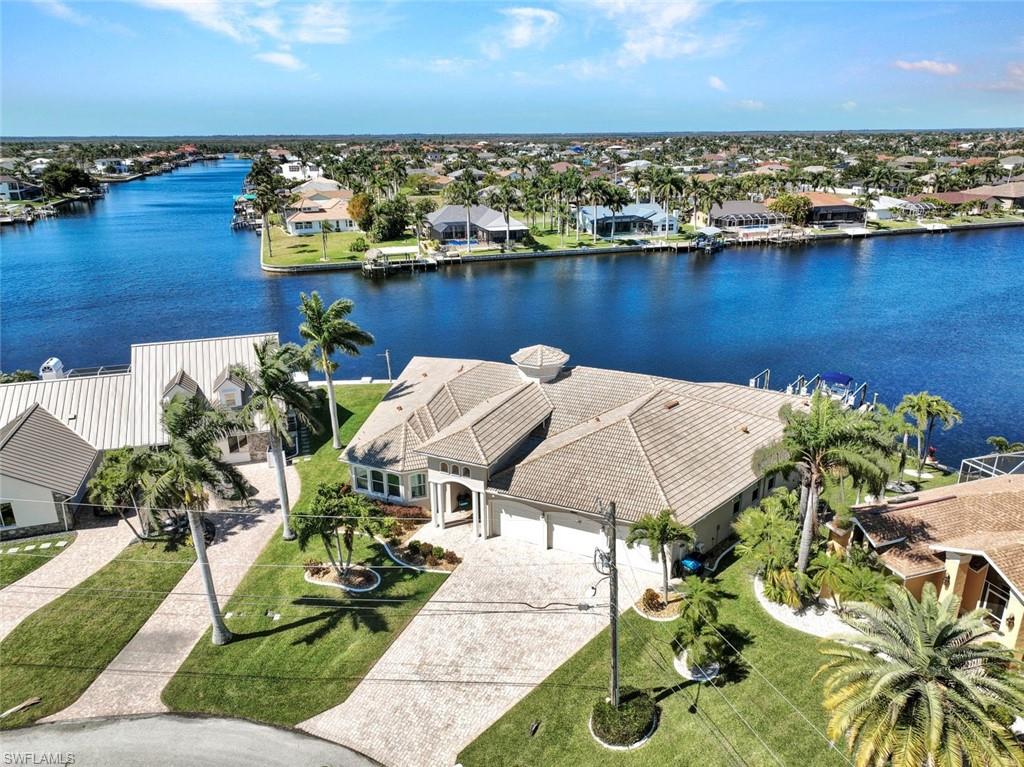
Many people generally consider waterfront living in Cape Coral safe in 2026. Here, safety means manageable flood risk. It also means strong construction, predictable storm patterns, and access to proper insurance.
Risk varies by location and home condition. When we review these factors carefully, waterfront living remains a practical choice.
What are the biggest safety risks buyers should understand in Cape Coral?
A few key risks buyers should know exist. They are manageable when understood early.
The main safety risks include:
- Flood exposure in certain zones
- Lower elevation in some neighborhoods
- Older homes without modern upgrades
- Higher insurance needs in select areas
These risks do not apply everywhere. They vary by location and home condition.
You can review most issues before buying. Clear checks help buyers avoid surprises later.
Is Cape Coral at risk of flooding?
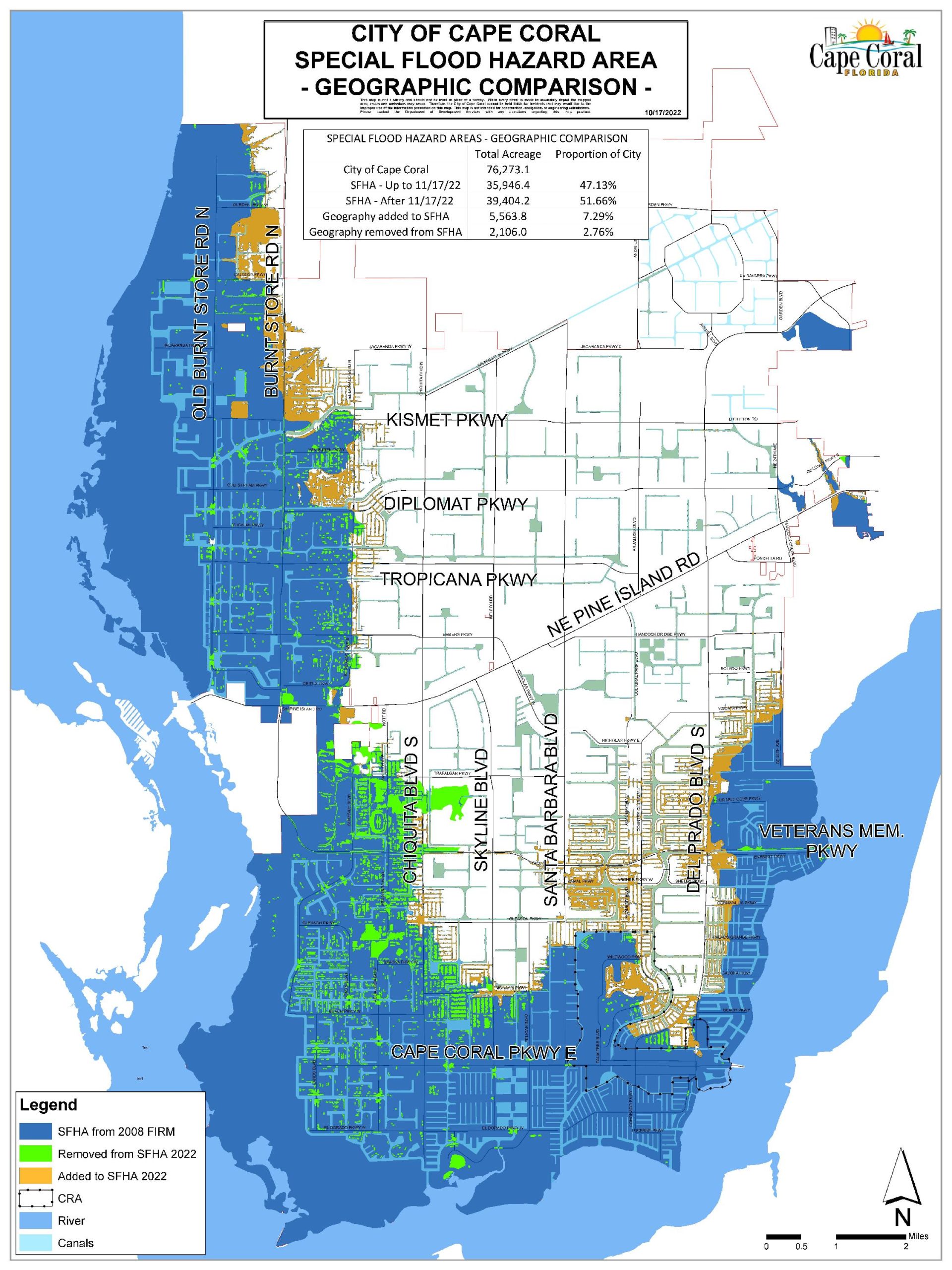
Yes. Some areas are but others are not. Flood risk in Cape Coral depends on location, elevation, and canal design.
Key factors that affect flooding risk include:
- FEMA flood zone designation
- Home elevation above base flood levels
- Canal type and water flow
- Local drainage and infrastructure
Many waterfront homes sit in lower-risk flood zones. Flooding is less likely under normal conditions. Checking the flood zone early helps buyers understand real risk, not assumptions.
How do hurricanes affect waterfront property in Cape Coral?
Hurricanes can impact Cape Coral, but direct hits are not common. Most effects come from wind, heavy rainfall, and temporary disruptions. Homes built to modern Florida standards handle storms better than many expect.
Construction quality and preparation matter more than simply being near water. The Federal Emergency Management Agency says hurricane risk in Florida varies. It depends on storm strength, storm path, and local readiness. Well-prepared homes face lower long-term risk, even in waterfront areas.
Do flood zones matter for waterfront homes in Cape Coral?
Yes, flood zones matter a lot. They help explain how likely flooding is for a specific property.
Flood zones generally indicate:
- Lower-risk areas with less frequent flooding
- Moderate-risk areas with some exposure
- Higher-risk areas with greater flood potential
Two waterfront homes can sit near water but fall into drastically different zones. That difference affects insurance needs, building rules, and long-term planning.
Does canal type affect waterfront property safety?
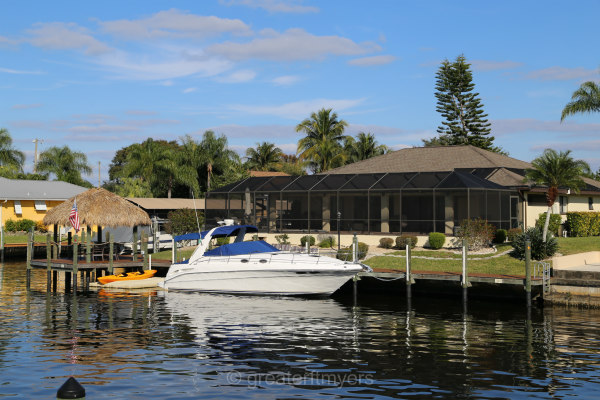
Yes. Canal type does matter in Cape Coral. Different canals behave differently during storms and heavy rain.
Freshwater canals usually have:
- Less tidal movement
- Lower storm surge exposure
- More controlled water levels
Gulf access canals often have:
- Direct connection to open water
- Tidal influence
- Higher exposure during strong storms
Both canal types can be safe. Safety depends on elevation, drainage, and home construction, not the canal alone.
Is flood insurance required for waterfront property in Cape Coral?
It depends on the flood zone and the lender. Flood insurance rules connect to risk, not just waterfront location.
Authorities usually require flood insurance when:
- The home is in a high-risk flood zone
- A mortgage lender mandates coverage
- The property sits below certain elevation levels
It may not be required when:
- The home is in a lower-risk zone
- The lender does not require it
- The property meets elevation standards
Costs can vary widely by location and home type.
Understanding flood insurance costs in Florida helps buyers plan more accurately.
Are newer waterfront homes safer than older homes?
Often, yes. Newer homes are usually safer.
Builders construct them to meet updated Florida building codes. These codes focus on wind resistance, roof strength, and water management. Older homes can still be safe, but upgrades and maintenance matter more.
Does waterfront safety affect long-term property value?
Yes. Safety plays a quiet but important role in long-term value. Buyers tend to favor homes with lower risk and fewer insurance concerns.
Homes in safer locations are easier to resell. They also attract more consistent buyer interest over time. That is why many buyers focus on waterfront homes in Cape Coral that sit in well-evaluated areas. Confidence in safety often supports confidence in value.
What safety checks should buyers review before buying waterfront property?
Buyers should review a few key safety checks before committing to a waterfront home. These checks help reduce risk and avoid surprises later.
Important safety checks include:
- Flood zone classification for the property
- Home elevation compared to flood levels
- Construction year and building standards
- Roof condition and window protection
- Flood and insurance eligibility
This is not about finding problems. Understanding the home clearly before buying is important.
Is waterfront living in Cape Coral safe for full-time residents?
Yes. For most people, it is safe and comfortable.
Cape Coral was designed for daily living near water. Neighborhoods are planned with canals, roads, and drainage in mind. Utilities and city services are reliable in established areas.
Daily life feels normal and calm. Waterfront living can work well for full-time residents. It depends on the right location and a well-maintained home.
Who should buy waterfront property in Cape Coral and who should be cautious?
Waterfront homes are a great fit for some buyers. They may not be right for everyone.
Buying waterfront property often makes sense for:
- Buyers who understand flood zones and insurance
- Owners who plan regular maintenance
- People who value water views and boating access
- Long-term residents, not short-term speculators
More caution is needed for:
- Buyers on extremely tight budgets
- Those uncomfortable with insurance requirements
- Owners who prefer low-maintenance living
- Anyone unwilling to review risk details carefully
Waterfront living can be rewarding. It works best when expectations are clear from the start.
Conclusion
In 2026, waterfront living in Cape Coral depends on location, flood exposure, and construction quality.
With clear planning and realistic expectations, many buyers feel confident evaluating waterfront property in Cape Coral. They choose well-located homes that fit their comfort level and long-term goals.