
If you plan to build near the water, zoning rules matter. Waterfront land in Cape Coral offers calm views and long-term value. Buyers want peace and control over design. The right lot makes that possible.
This guide explains the rules in plain language. It shows what affects waterfront lots and permits. You will learn what makes a buildable waterfront property and what to check before you buy.
What zoning means for waterfront land in Cape Coral
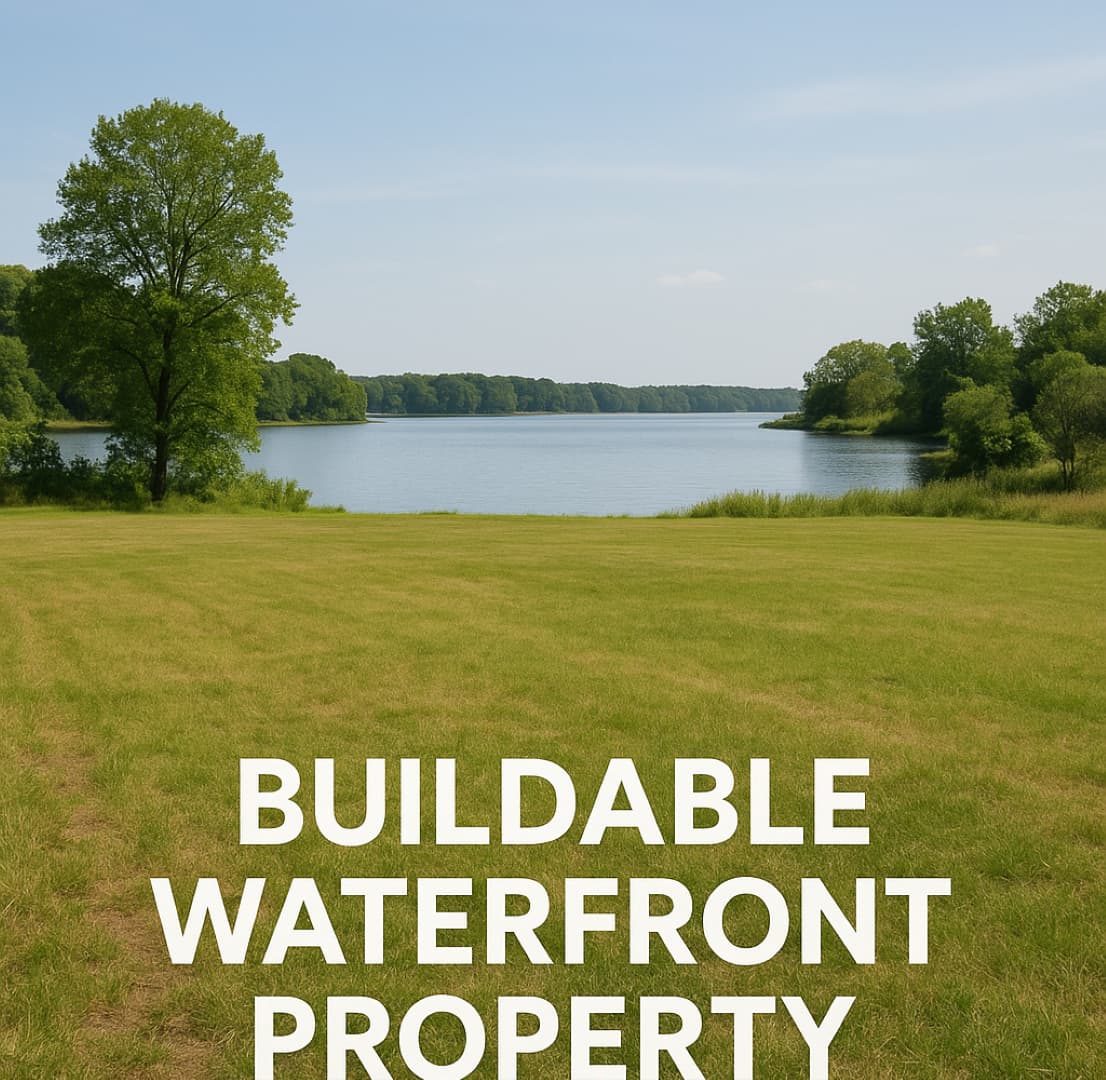
Zoning clarifies how developers can serve or develop a waterfront property. In Cape Coral, these rules decide what you can build and where. They cover home size, height, and placement. Zoning also protects waterways and nearby homes.
Local zoning rules keep neighborhoods consistent. They balance private use with public safety. Understanding these basics early avoids delays later. It also helps buyers choose the right property with confidence.
Common zoning types for waterfront land in Cape Coral
Cape Coral uses clear land-use categories to guide development near the water. Most waterfront areas fall under residential zoning. This regulation dictates residential construction. It also sets limits on height and spacing.
Some zones allow single-family homes only. Others permit duplexes or small multi-family builds. Knowing the zoning type helps buyers match plans with the right property.
Can you build a home on any waterfront land in Cape Coral?
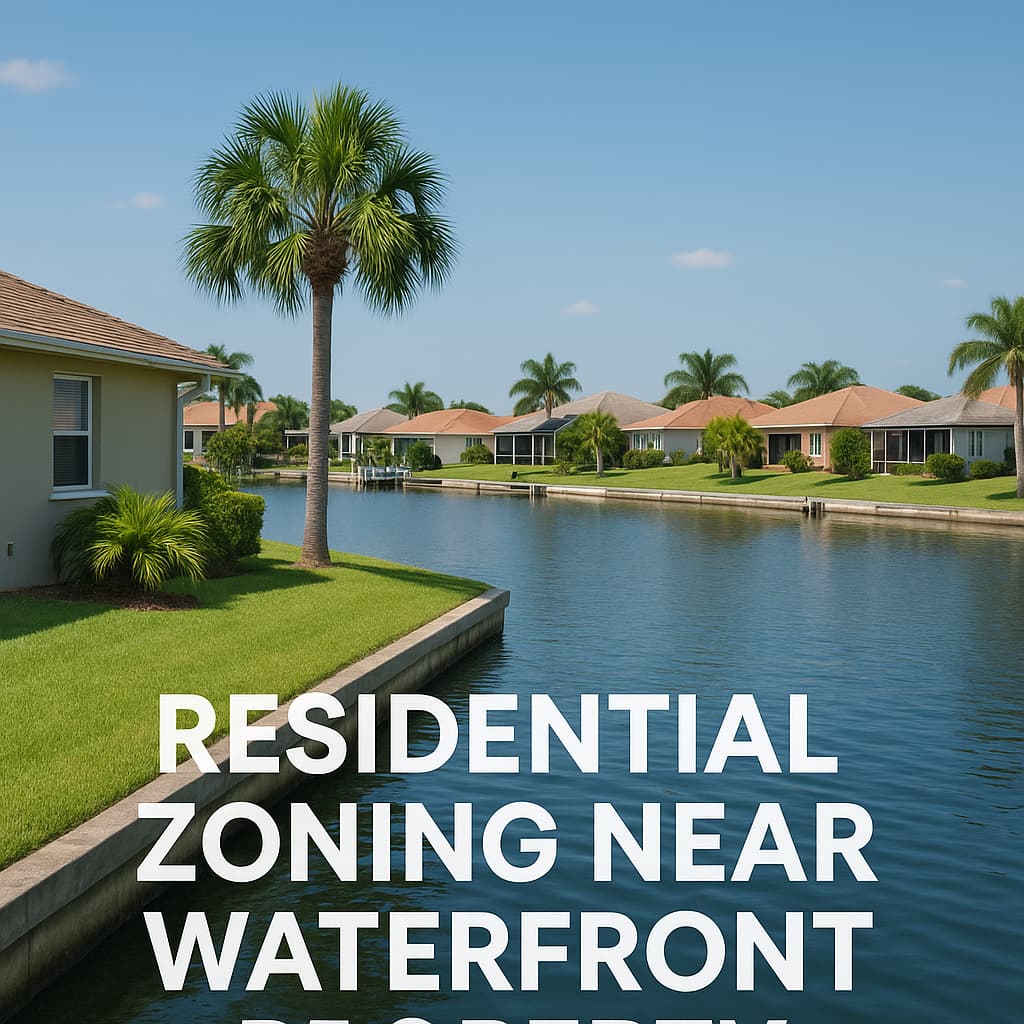
Not everyone can build on every waterfront lot right away. Some parcels need extra checks before approval.
Waterfront land in Cape Coral must meet zoning rules first. Permits depend on use, size, and access. Buyers should confirm zoning approval early to avoid delays.
When waterfront land is buildable
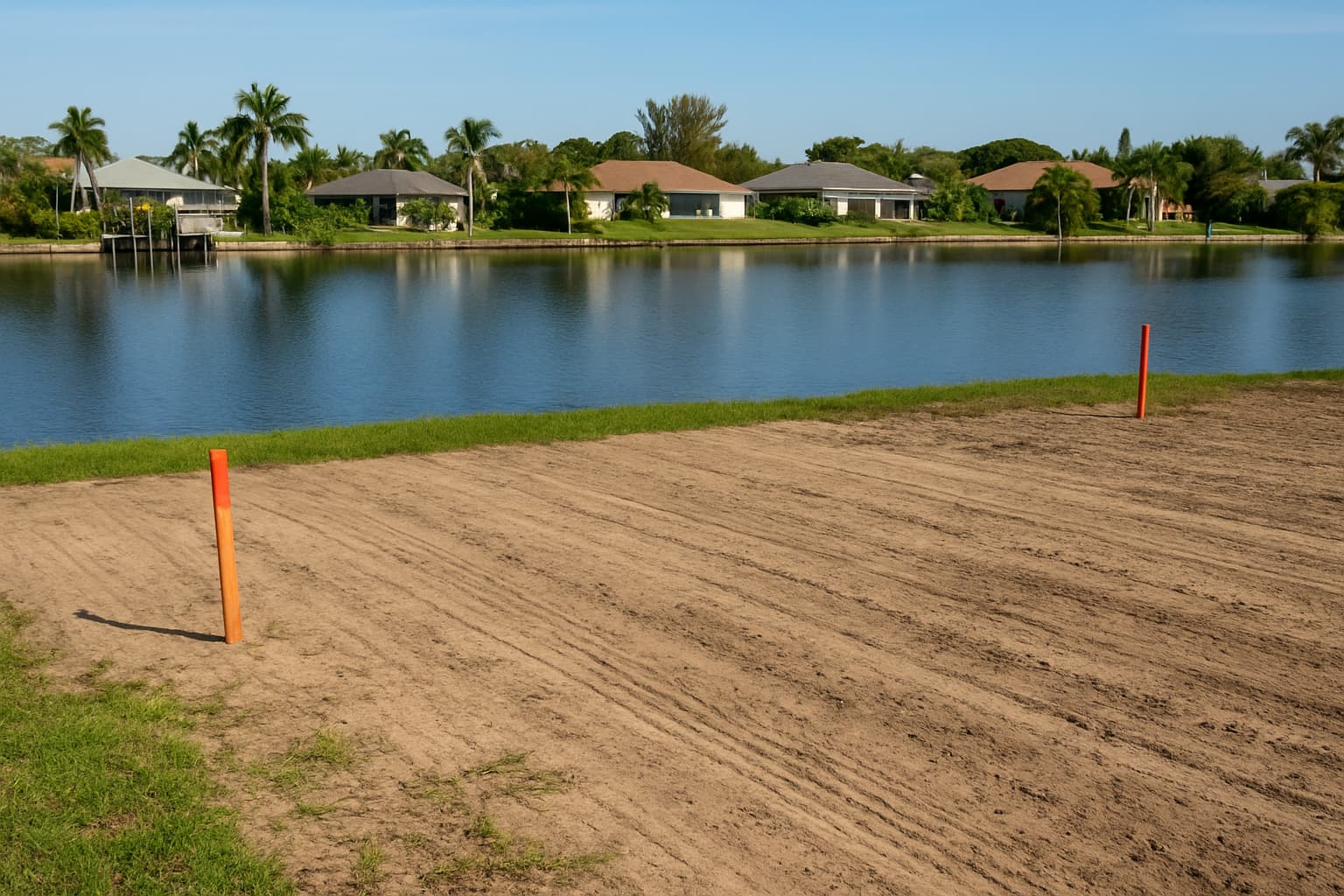
A lot is buildable when zoning allows residential use. It must meet setback and access rules. Utilities and road access also matter. Clear records speed up permits.
When zoning restrictions apply
Restrictions apply near canals or protected areas. Limits can affect height or placement. Some lots need special approvals. Checking rules early saves time and cost.
Setback rules you must follow on waterfront lots
Setback requirements control how close a home can sit to the water. These waterfront construction rules protect canals and nearby properties. They also allow space for drainage and safety access. Ignoring setbacks can stop permits or force redesigns.
Seawall and dock zoning rules for waterfront land
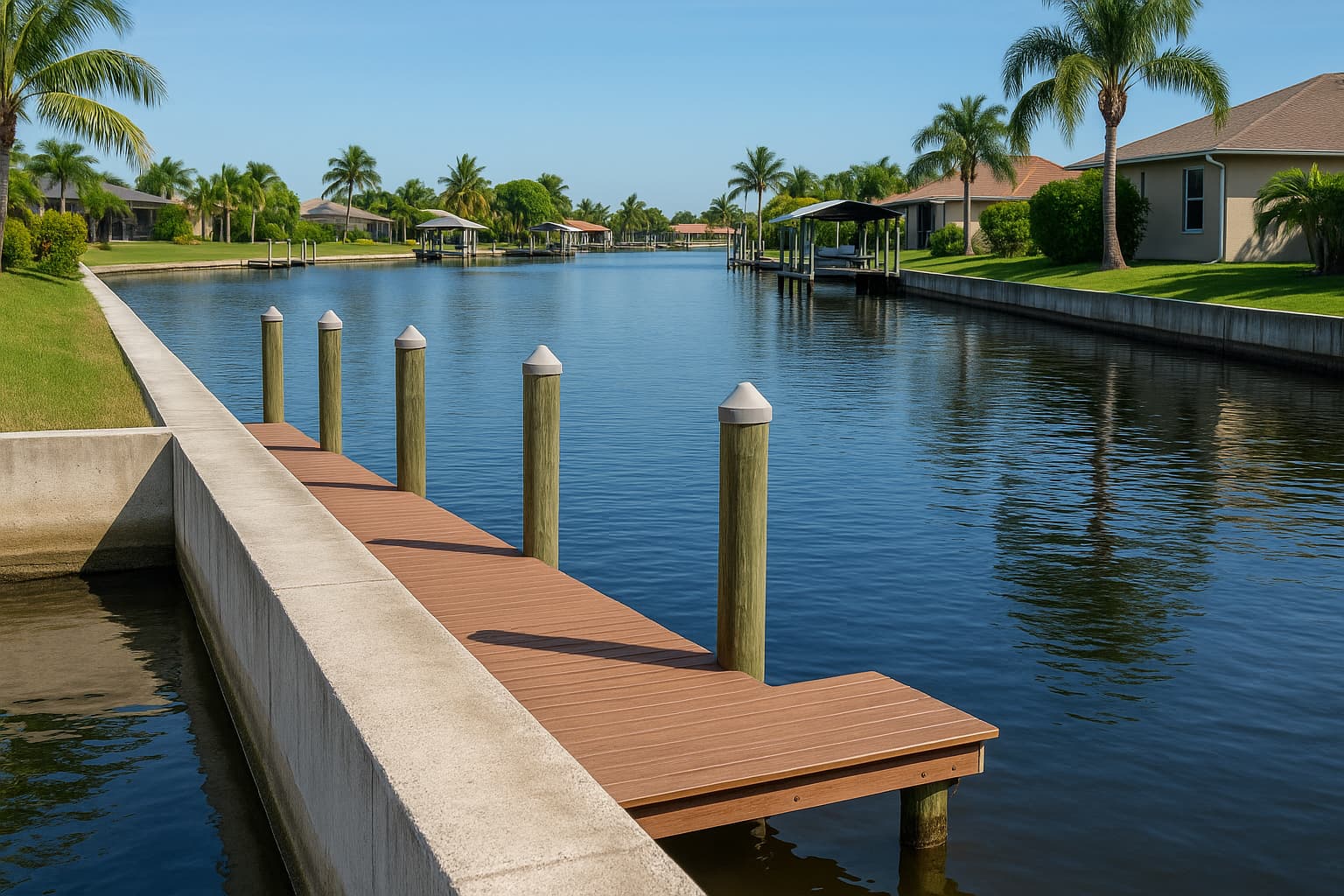
Seawalls and docks follow strict local guidelines. Authorities often need to review the property before they allow changes. Seawall rules protect shorelines and reduce erosion. Dock permits control size and placement to keep waterways safe.
Do all waterfront lots allow private docks?
Not every lot qualifies for a dock. Canal width and water depth matter. Some areas restrict private access. Approval depends on zoning and location.
Seawall rules buyers often miss
Older seawalls may need upgrades. Height and material rules can apply. Repairs often require permits. These details can affect cost and timing.
Flood zones and zoning restrictions for waterfront land
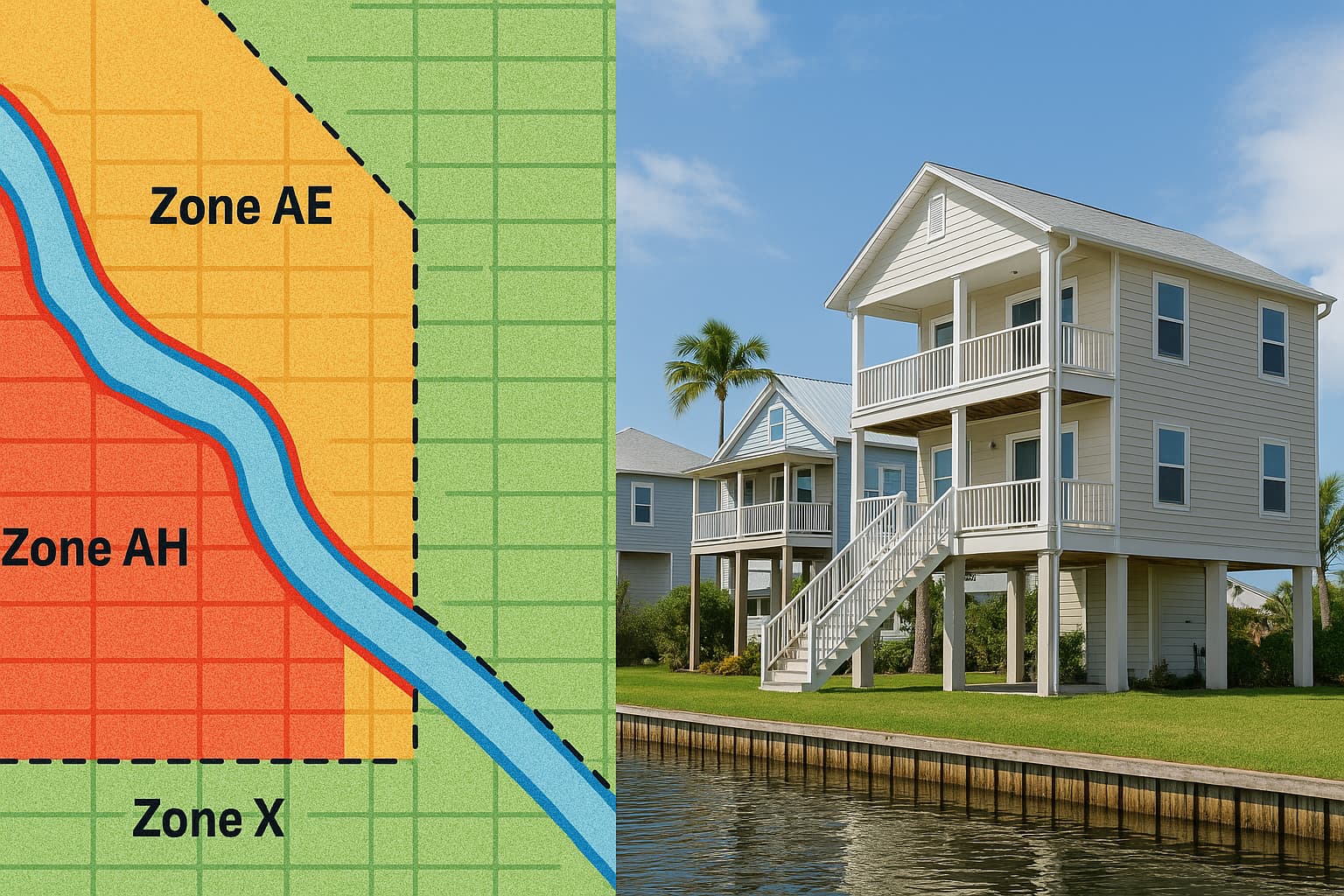
Flood zones add another layer of rules for waterfront properties. These land-use restrictions help manage risk near canals and open water. They can limit where a home sits on the lot. They may also affect elevation and design choices.
How flood zones affect what you can build
Flood zones influence permits and construction plans. Some areas require higher foundations or special designs. National trends and risk data, including U.S. housing and land-use data, help explain why these rules exist . Checking flood details early prevents costly changes later.
Can zoning rules affect property value and resale?
Zoning rules can shape long-term resale value. Buyers look for clarity and flexibility. Clear zoning reduces risk. It also makes plans easier to explain.
Strong zoning support protects waterfront property value over time. Homes and lots with fewer limits attract more interest. That demand often leads to better resale potential.
How to check zoning before buying waterfront land
Before buying, a zoning check should be part of your research. Start with city records and parcel maps. Ask how the lot is classified. This step confirms whether the waterfront land fits your building plan.
Property research should also include setbacks and access rules. Review past permits if available. A quick check now can prevent delays later. It also helps you move forward with confidence.
Mistakes buyers make with zoning on waterfront land
Many buyers rush and overlook zoning details. Common zoning mistakes include assuming all lots are buildable. Some ignore future restrictions. Others skip permit history.
These land buying errors can delay projects or raise costs. A quick review of rules helps avoid surprises.
Waterfront land vs waterfront homes in Cape Coral
Buying land and buying a home offer different paths. Some buyers choose waterfront homes for ease and faster move-in. Others prefer building to control design. The right choice depends on time, budget, and goals.
To compare both options locally, exploring waterfront homes in Cape Coral can help. Seeing completed homes alongside vacant lots makes the build vs buy decision clearer.
When to talk to a local expert before buying waterfront land
Some situations call for local guidance. A local waterfront expert can help when zoning feels unclear. They know permit timelines and neighborhood rules. This support reduces risk before you commit.
If you are weighing options or timing, exploring Cape Coral waterfront homes can help clarify next steps. Talking with someone local often brings peace of mind at the decision stage.
Conclusion
Choosing where and how to build near the water is a significant decision. The right zoning makes everything smoother. When rules are clear, plans feel exciting, not stressful. That confidence is what turns an idea into a future home.
For peace, control, and long-term value, waterfront land can be the perfect starting point. Take your time. Ask the right questions. And explore your options carefully before you make the final move.